

Hopi Ear Candles vs Traditional Ear Candles: What Is the Difference?
Search for ear candles in Australia and the phrase "Hopi ear candles" comes up constantly. It is used in salon menus, on marketplace listings and in casual conversation, usually as though it describes a particular kind of candle. It does not. Hopi is a brand name, and knowing that makes choosing a candle considerably simpler.
Before we go on: ear candling is a relaxation and self-care ritual, and ear candles are not a medical device. This article is about terminology and materials, not health outcomes. If you have an allergy, an ear condition or any concern, speak with your medical practitioner first.
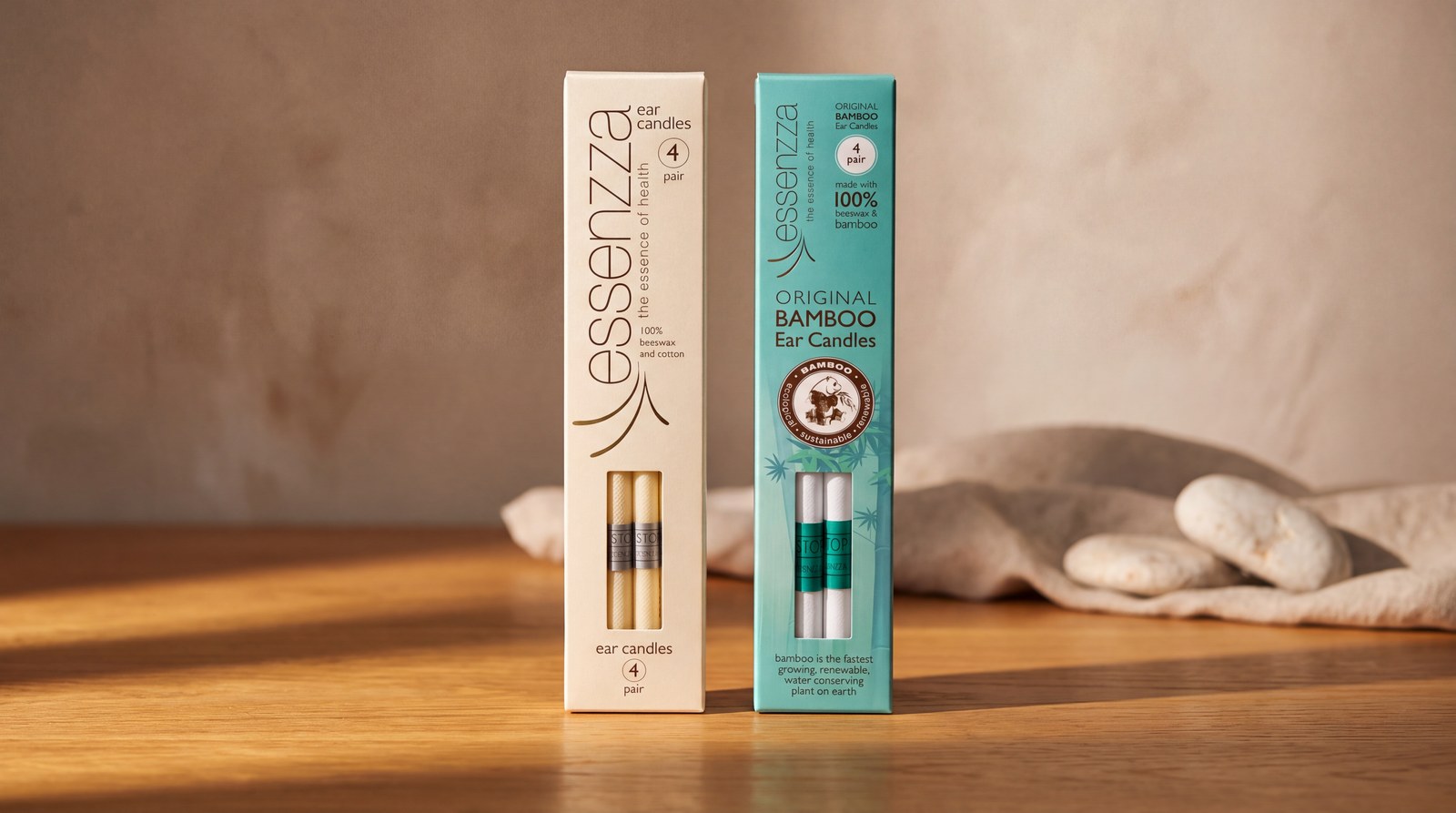
Where the term "Hopi ear candle" came from
The phrase entered the European market in the early 1990s, when a German manufacturer began selling ear candles under the Hopi name, citing a connection to the Hopi people of north eastern Arizona. The name travelled with the product into the United Kingdom, then Australia, and over three decades it drifted into general use as though it were a category rather than a trademark.
The Hopi Tribe has publicly disputed the association. The Hopi Cultural Preservation Office, which manages the Tribe's cultural and intellectual property, has stated that it has no record of ear candling being a Hopi practice, and has objected to the use of the Hopi name on these products. The manufacturer later moved to "traditional ear candles" in its home market.
We mention this because it is the honest answer to a common question, and because it matters. Using a living people's name to market a product they have said is not theirs is not a detail worth glossing over. Essenzza has never used the term, and does not intend to.
So what are you actually buying?
Here is the practical upshot. "Hopi ear candle" does not tell you what a candle is made from, how long it burns, whether it has a filter, or whether it is safe. It tells you about a brand. When you are comparing candles, the things that genuinely differ are these:
- The material. Unbleached cotton, calico cotton, bamboo or a plant based wax. This is the real distinction between ranges.
- Whether there is an aroma. Most ear candles are unscented. Some carry botanicals in the wax.
- Whether there is a filter. A filter set into the base creates a snug fit and adds a layer of protection. Only ever use a candle that has one.
- Whether a stop disc is included. The disc sits about an inch up from the base and acts as a barrier.
- Whether there is a printed STOP line. This marks where the session ends. A candle without one gives you nothing to judge by.
- Whether instructions are included. Every box should carry a full booklet.
Those six points are a far better buying checklist than any name on the box. If you are starting from scratch, a beginner's guide to ear candling covers how the ritual works before you buy anything at all.
What "traditional" means in the Essenzza range
Our Traditional Indian ear candles use the word traditional in a narrower and more literal sense. The range is built on natural calico cotton with high grade beeswax carrying honey, sage and camomile. The name describes the materials and the aromatic character, not a claim of ancestry over anybody's culture.
If you would rather skip the aroma entirely, our Original beeswax ear candles are unbleached cotton and natural beeswax with nothing added. For the sustainability angle, we set out the case for bamboo versus beeswax ear candles separately.
If you came here searching for Hopi ear candles
You were almost certainly looking for an ordinary ear candle, and you will find what you wanted in the full Essenzza ear candle range. Pick by material and by whether you want an aroma. Check the filter, the disc, the STOP line and the booklet. That is the whole decision.
Whatever you buy, use it the same way
Ear candling is always a two person ritual, and never something to do alone. Your partner holds the candle upright at ninety degrees to the ear for the whole burn, never leaning, and extinguishes it in a glass of water as it reaches the STOP ring. Stay indoors, away from draughts, with nothing flammable nearby, and keep candles and matches away from children. It is not something we generally recommend for children.
Our step by step walkthrough of how to use ear candles safely covers the method properly, and the ear candle FAQ answers the rest.


